
An expensive weekend away has left me feeling catfished, shaking my once-unbreakable faith in UK tourism.
Grotty scenes at a Scarborough hotel have broken my heart.
I’ve been love-bombed by gushing web copy and seduced by pristine online images. I know I’m not alone. Blindsided by neglect that followed, I’m questioning my devotion.
Truth is, this heartache has been building for years. I’m no longer sure whether this should be a love letter to seaside hospitality or the beginnings of a breakup note.
I keep coming back because this relationship is worth saving.
I fell head over heels when I was young. Welsh caravan parks and Butlin’s taught me how much fun holidays could be. They were dependable, warm, human resorts that made families feel cherished. My early summers were the blind date of my long romance. I’ve often flirted with other countries since, but I always return.
My favourite Butlin’s memory is going to the wrestling with my dad. I can still picture the moment one of the fighters had his shorts yanked down, revealing a bare bottom. Ten-year-old me thought it was the funniest thing in the world. The Commodores’ Three Times a Lady was playing and, even now, when I hear it, I’m taken back to happy, uncomplicated days.
Parents headed to smoky clubs while kids stayed in chalets. I think numbered lights flashed at the side of the stage if a baby cried in a particular block. We went as three generations: a grandad, parents and kids. The Redcoats were kind and funny, making us all feel part of a special gang.
The ick
Over the years, red flags started to appear. I’ve stayed in iconic hotels that have seen better days — the Imperial in Blackpool and the Palace in Buxton. In the Peak District, a guest raged about toenails on her carpet while another demanded cash to buy his own light fitting after requesting one hours earlier. My attraction was waning.
In Blackpool, I arrived full of happy anticipation for my twin daughters’ birthday, only to find too few beds and restaurant service so muddled we were refunded in full. I wanted to believe it was a one-off. There was no sign of the room decorations I’d requested and paid for in the hope of seeing their faces light up at the surprise. I sulked for too long afterwards and grumpily got my money back for that as well.
Seeing some of Britain’s once-proud hotels lose their way hurts. We were going steady and now they may just be letting themselves go.
Age is one thing. Dirt is another.
I grew used to pining for magnificent buildings hidden behind years of abandonment while living in Leningrad, later St Petersburg, decades ago. What surprises me now is recognising indifference towards our own architectural heritage.
Current calls for a coastal industrial strategy highlight an urgent need for meaningful support. Our coastal architecture is rich with atmosphere. Its upkeep is not. Without serious investment, we risk losing the wonderful character that made these towns so magical altogether. Wear and tear is already obvious.
Catfishing
Cleanliness problems during my Scarborough stay marred an otherwise fantastic weekend around a Tom Jones open-air concert that was so powerfully moving it brought me to tears.
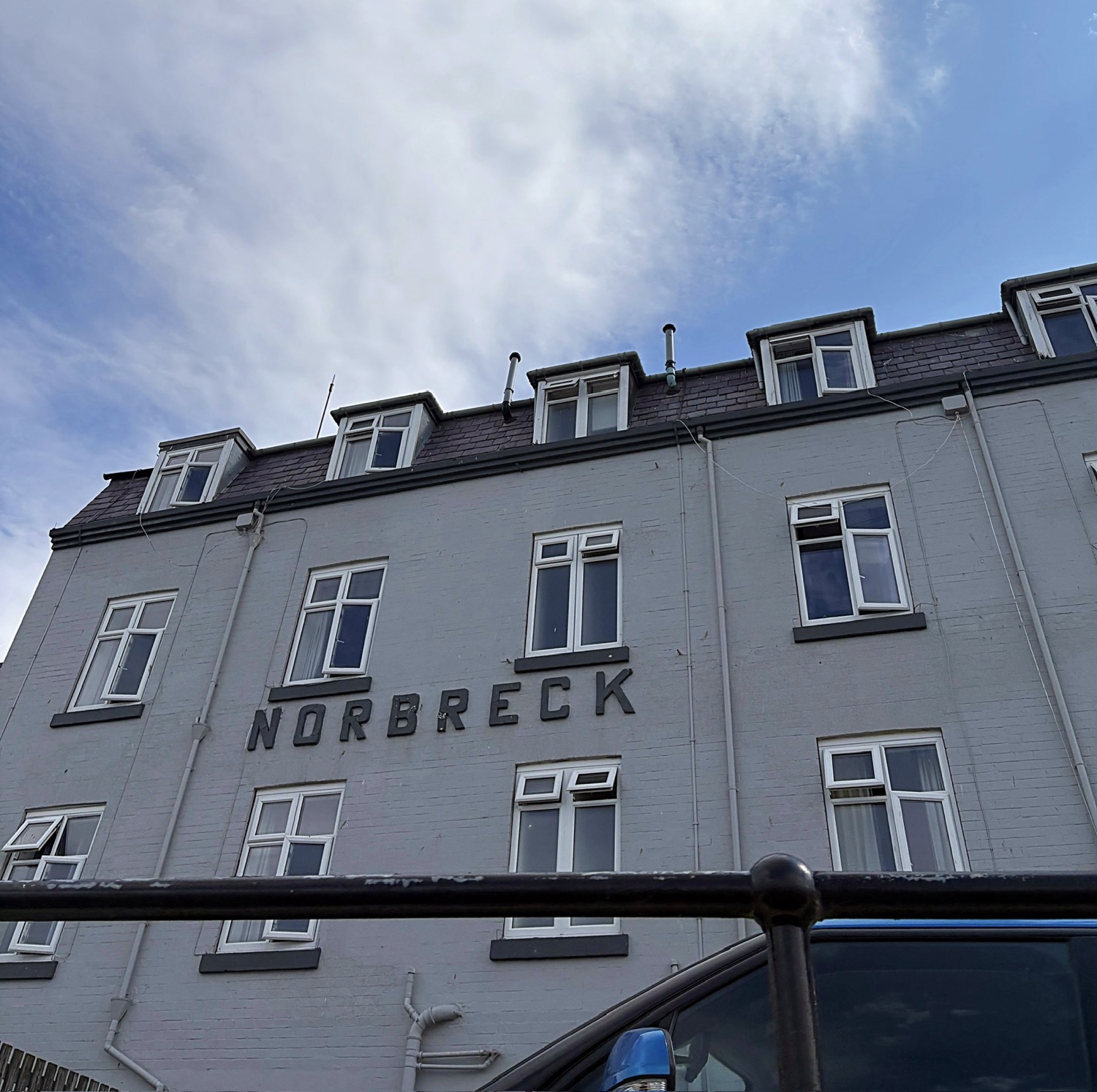
Like a sweet-talking charmer, the three-star Norbreck’s digital marketing conjured timeless elegance. The reality included a rotting window frame, a marked sink, stained carpet, a dusty bathroom bin, scuffed walls, chipped banisters and dirty landing steps. That made me want to weep in a different way.
Our two-night stay cost £436.01, inflated by weekend demand. Today, the same room is £56 per person per night. That disparity, paired with exaggerated claims and a “good” TripAdvisor rating, when I booked, set my expectations too high.
Perspective
I’ve stayed in better hotels for similar money, including the genteel Old England Hotel & Spa on Lake Windermere. A weekend at respected seaside hotels like Brighton Harbour or the Bournemouth Highcliff Marriott typically costs £260–£380 for two people.
Knowing what £436 can buy made our disappointing experience harder to fathom.
We found joy in exploring different pubs, each with its own atmosphere and often with local brews. The bars were lovingly cared for, with both good-natured staff and customers.
By contrast, it seemed absurd that our base, with visible deterioration, was charging rates that would be out of reach for many families. There is no way I could have afforded it before I became an empty-nester.
Regeneration gap
Discussions on a proposed tourism levy in North Yorkshire underline how fragile a financial balance has become. Local leaders argue it could raise millions for regeneration, but Scarborough’s MP Alison Hume warns it risks becoming a tax on family holidays when budgets are already extremely stretched. My own £436 weekend, with my partner, for a room that didn’t meet basic expectations, shows how precarious costs are. When prices soar while quality slips, even a modest levy could feel like adding insult to injury.
A changing landscape
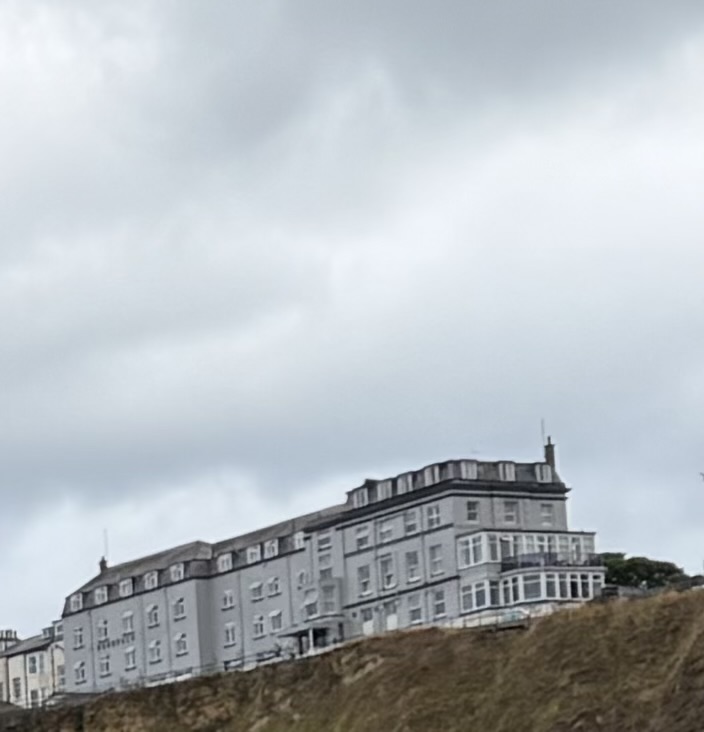
Scarborough’s hotels prospered in a Victorian heyday, and the Norbreck was reportedly among them. Said to have opened in the mid-19th century, it became part of a great British seaside tradition before foreign package holidays tempted families away.
The Norbreck closed for around a year after its parent company collapsed in the pandemic. Bangkok-based Compass Hospitality bought it in 2024 and spoke about investing in Scarborough and expanding its UK presence. Those ambitions are difficult to reconcile with the Norbreck’s current condition.
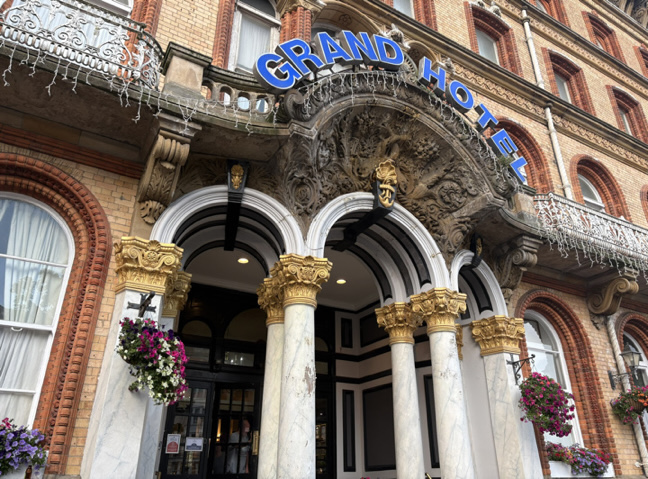
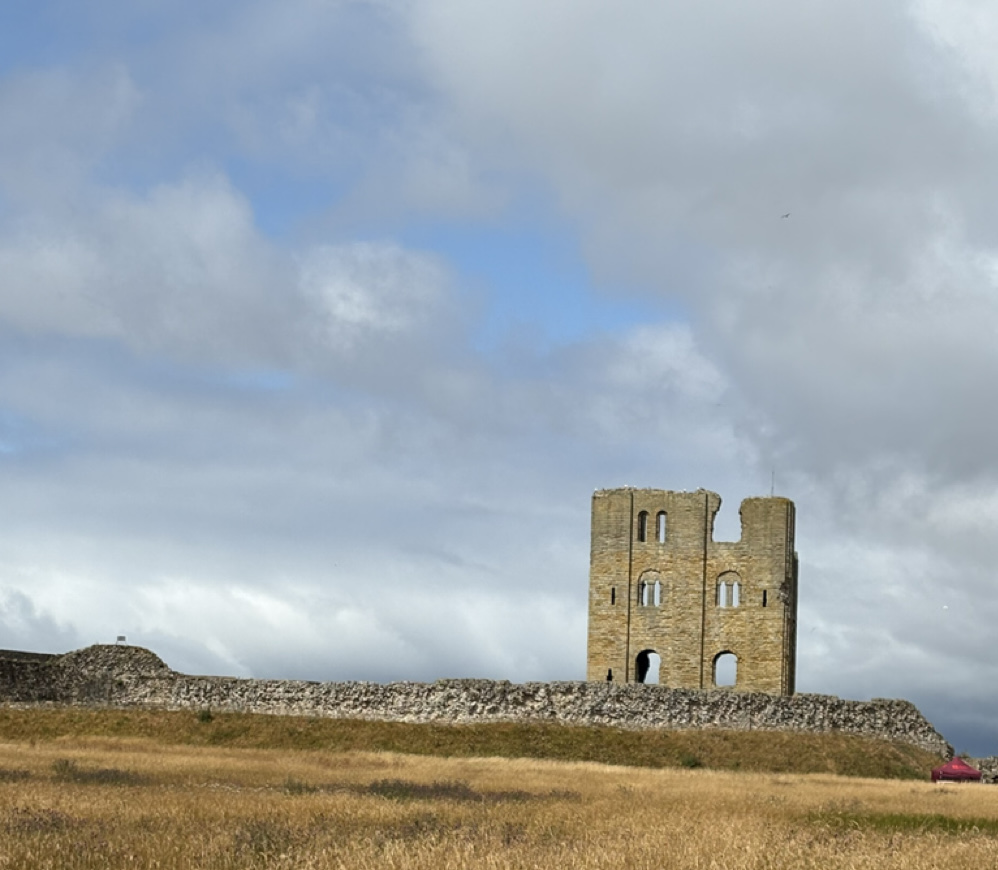
I avoided Scarborough’s Grand Hotel because of its longstanding reputation for poor conditions reported through scathing media stories and disgruntled reviewers. The nearby Royal has attracted similar criticism, with complaints about tired décor and unsatisfactory cleanliness from some contributors. I hoped the smaller Norbreck would be a welcome uncluttered gem. It wasn’t, despite its enviable castle-headland position and spectacular views.
Criticising dreadful cleaning isn’t nitpicking. For me, it’s acknowledging a waste of potential in a venue with breathtaking natural advantages and pleasant, helpful staff.
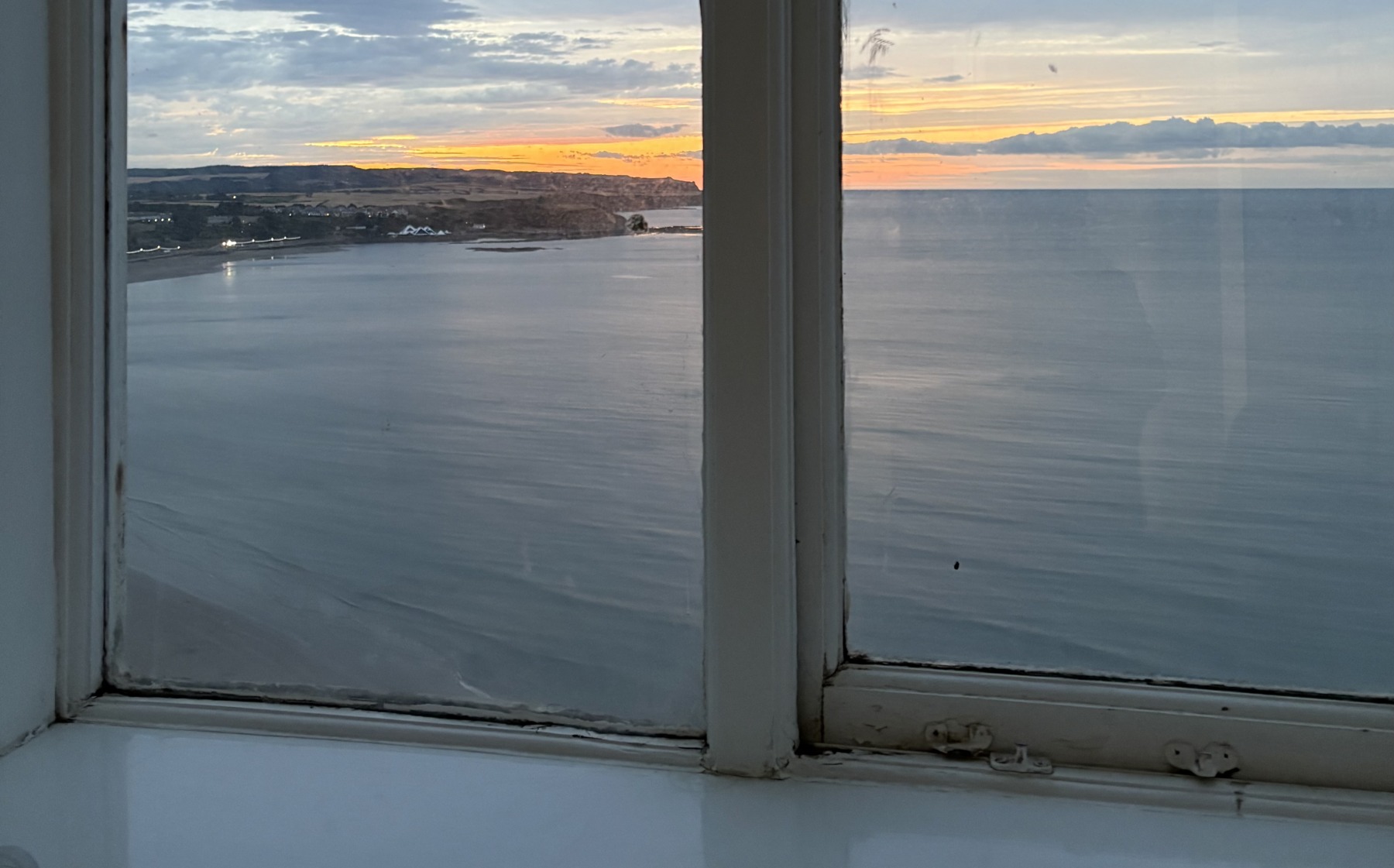
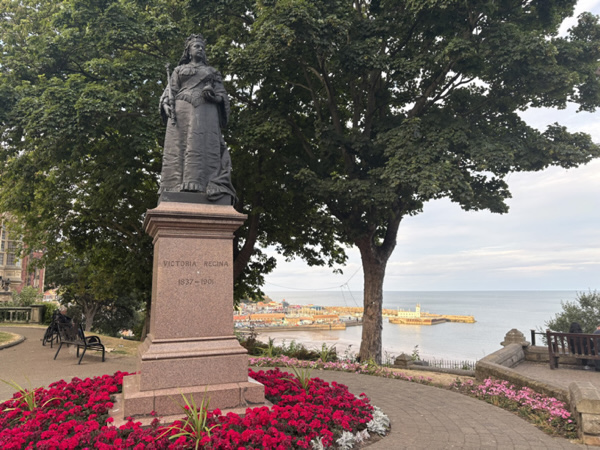
The sunset across both North and South bays was epic. The frame I watched it through was in disarray: flaking paint, softened wood from years of coastal battering. It seemed an own goal to focus on the view when the surrounding rot was impossible to ignore.
Our bed was comfortable and, after walking 15 miles in two days, I slept soundly. Yet that isn’t my lasting memory. Blatant lack of care in different areas overshadowed the good moments..
Breadcrumbing
On the days I visited, breakfast wasn’t to my taste. My brittle toast burned almost instantly. The melon was stale. A full English was available, but it wasn’t the best. Certainly not for what we paid. A posh hot chocolate brought some redemption, even if some cups supplied weren’t big enough, resulting in a messy overflow.
An underwhelming dining room was bafflingly said to be one of the finest restaurants in Scarborough by the hotel’s website. Was it supposed to be open to the public? Websites fall out of date, but this wasn’t a minor oversight.
It’s complicated
Perhaps my disappointment was deepened a little by at least some insider knowledge. I’ve been commissioned as a publicist to help boost an area of England’s travel trade. In the region featured, skilled, thoughtful teams are creating something new and meaningful for visitors.
I’m also writing two guidebooks, one for Shakespeare lovers exploring England and another for film buffs heading to New York. Both demand absolute honesty.
Domestic tourism figures from VisitBritain this year show overnight trips remain below both 2023 and 2022 levels, with average stay lengths also going down.
These figures don’t suggest a slump in hotel quality is affecting tourist numbers. They help explain why some operators are struggling to maintain high benchmarks they should be known for.
Road to recovery?
As the Government launches a nationwide £1.2 million tourism campaign to champion coastal towns, after my most recent trip, I think I can be forgiven for feeling a little conflicted.
This investment is exciting. But glossy publicity means nothing if visitors find unsanitary surroundings.
Rising wages, energy costs, maintenance bills and recruitment problems have made running a hotel tougher. I’m sympathetic. But sympathy doesn’t excuse mould in your bathroom.
The coastal campaign may bring fresh profile to seaside towns, but it will not solve obstacles facing many older hotels.
Visitors like me will not return if rooms are not just tired, but distinctly dirty.
The initiative offers a rise in off‑season bookings, giving smaller hotels a chance to earn returns needed for basic upgrades.
Owners may want to improve their properties but struggle because most of their income arrives in a limited summer blast.
If marketing momentum means steadier business, even a small lift in occupancy could go towards replacing worn furnishings and improve guest experience. Promotion alone can’t rescue failing accommodation. It can create more favourable financial conditions that make improvement possible.
Tough times
Alison Hume MP has also warned of unchecked growth in short‑term lets squeezing residents and changing the local economy.
A licensing system for Airbnbs and holiday rentals is being considered, partly because traditional hotels are under so much pressure.
But still, I feel guilty if I book a hotel past its prime for my family or as a couple. I want my loved ones to adore a place too. Reviews ahead of a break can be of scant help. For every candid write-up, there are plenty of relentlessly upbeat examples. When you’ve seen parts of a hotel in a filthy state, even a brief “basic but clean” verdict can be too generous.
British hotels deserve better. For families like mine, they’re carved into social history and laughter-filled memories. Cost-cutting and stretched resources are dragging conditions down.
Taking action
I’m frustrated by what I see as a lack of respect for customers.
Waxing lyrical about obvious problems piles contempt on tourists. It feels deeply misleading. Something important is being lost. When a hotel promises elegance but is grimy, it hits hard.
It’s especially painful knowing families save for months for a short break, only to be met with rudimentary failures.
With talk of a visitor levy potentially adding to the cost of a coastal getaway, the stakes are even higher. Guests shouldn’t have to navigate rising prices and deteriorating surroundings.
I’ve visited modest hotels that prove excellence is still achievable with the right approach. A local property I toured for an article recently had simple rooms but spotless housekeeping for visiting football fans. It didn’t need luxury, just to be well run.
If Britain wants to keep its seaside legacy alive, it has to face up to and fix forgotten basic maintenance. Honest descriptions, clean rooms and well-kept surroundings shouldn’t be too much to ask.
Can we make it work?
My heavy heart wasn’t about one weekend. It was about how much our hotels used to matter and how we’re letting them slip away. It’s not too late to reverse the damage.
A push from Scarborough’s MP for a new coastal strategy, backed by local authorities, suggests there may still be a route back to halcyon days we once took for granted. If funding reaches the right places, and if hotels are supported, our seaside could rediscover its confidence.
I’m hopeful the coastal campaign will bring a much-needed spark back to my romance with the British seaside.
We have always been meant to be.
• I contacted Compass Hospitality to ask about my experience and whether there were any refurbishment plans for the Norbreck. I received an automated message back but no fuller response five days later, by time of publication.